
Racing costs a fortune, but F2 and F3 are fighting to keep prices down
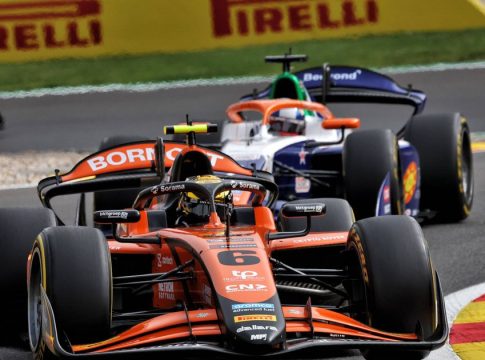
MP Motorsport driver Richard Verschoor once revealed a shocking truth about racing finances: if he breaks his front wing, he has to pay for it himself.
It’s tough to imagine how drivers like Verschoor could make it to Formula 2 without serious financial backing from sponsors.
But things could actually be much worse if not for behind-the-scenes efforts.
F2 and F3 CEO Bruno Michel told GPblog in an exclusive interview that he’s constantly working to keep costs manageable for teams and drivers.
“The cars meet the highest safety standards but are kept as affordable as possible,” Michel explained.
The help extends beyond just the vehicles themselves.
“For instance, when the teams are traveling, we pay for the freight costs,” he said.
This matters because the schedule is packed with events alongside Formula 1, which naturally drives up expenses.
“We race in F2 on 14 weekends. We race with Formula 1, which makes the logistics, the hotels, and the accommodations more expensive. We’re not going to have a very, very low cost for a season,” Michel admitted.
“But I can assure you that you have no idea how we’re going to try to keep those costs as low as possible on every aspect that we have.”
Cutting costs while maintaining quality
Michel points to strict team size limitations as a key cost-saving measure.
“We still limit the number of people. Imagine with cars that are so advanced technologically, you have only 12 operating people on the F2 team,” he said.
The situation in F3 is even more streamlined.
“You have only 10 on the F3 team for three cars. Imagine what that is, the amount of work they have to do together, because I don’t want to increase that.”
These restrictions extend to equipment as well.
“We do that for the tyres as well. We limit the number of tyres every week. And everything we can do, keeping also the DNA of what we’re doing, because we’re there to help the drivers to go to Formula 1,” Michel emphasized.
Free fuel gives teams a break
While F1 teams struggle with rising fuel costs, F2 and F3 teams have one less expense to worry about.
“Yes, the cost of fuel is fantastic. You know why? Because Aramco has been supplying it free of charge to the teams since we signed the agreement two years ago,” Michel revealed.
“That’s true, the cost of fuel increased. But we don’t care.”
The partnerships extend beyond just fuel.
“Same thing for the tyres. The tyres are so much cheaper than they are in Formula 1. It’s because we have Aramco, we have Pirelli, they are playing the game and helping a lot.”
These measures might explain how talented youngsters like Arvid Lindblad and championship leader Leonardo Fornaroli can compete at such a high level despite the inherent financial challenges of motorsport’s development ladder.
Want to stay up-to-date with what happens in the F1 paddock? GPblog’s F1 Paddock Update video is the perfect way to do it. Subscribe to GPblog’s YouTube channel and turn on notifications to never miss the latest episodes.
Follow us on Spotify as well!

